
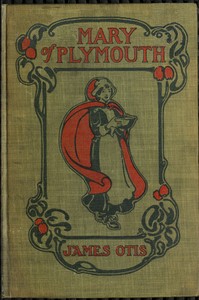
Mary of Plymouth: A Story of the Pilgrim Settlement by James Otis
James Otis’s Mary of Plymouth pulls off a neat trick: it takes one of the most famous stories in American history and makes it feel immediate and personal. By telling it through the eyes of a Pilgrim child, the monumental becomes manageable, and the legendary becomes human.
The Story
The book follows young Mary and her family from their anxious departure on the Mayflower through the trials of founding Plymouth Colony. We see the treacherous Atlantic crossing, the first sighting of the Cape Cod coast, and the signing of the Mayflower Compact—not as dry historical events, but as moments of fear, wonder, and necessity for a community clinging together. The heart of the story is that first punishing winter. Mary describes the struggle to build shelter in the freezing cold, the gnawing hunger as supplies run out, and the devastating sickness that claims so many lives. The narrative also covers their cautious, crucial interactions with the Native Americans, particularly Samoset and Squanto, who teach them how to plant corn and navigate this unfamiliar land. It’s a story of sheer endurance, told from the ground level.
Why You Should Read It
This book strips away the myth and shows the gritty reality. Mary isn't a heroine giving grand speeches; she’s a kid watching her parents work themselves to exhaustion, feeling scared during storms, and being curious about the Wampanoag people she sees. Through her, we feel the Pilgrims' vulnerability. Their faith was real, but so was their desperation. Otis doesn’t shy away from the hardship, which makes the moments of help from the Indigenous communities and the eventual success of the harvest feel earned and profoundly moving. You get a real sense of the community—the arguments, the shared grief, the small acts of kindness that kept them going.
Final Verdict
Mary of Plymouth is perfect for anyone who loves historical fiction that feels authentic, or for a younger reader ready to move beyond the simplified Thanksgiving story. It’s also a great, quick read for adults who want to reconnect with this foundational tale on a human scale. Just be prepared—it’s not all celebration. This is a clear-eyed look at how hard those first years truly were, making the survival of the colony seem less like destiny and more like the incredible achievement it was. A heartfelt and grounding look at our origins.
You are viewing a work that belongs to the global public domain. You are welcome to share this with anyone.
Karen Hernandez
1 year agoIt took me a while to process the complex ideas here, but the emphasis on ethics and sustainability within the topic is commendable. Thanks for making such a high-quality version available.
Karen White
4 months agoIf you're tired of surface-level information, the bibliography and references suggest a high level of research and authority. I am looking forward to the author's next publication.
Kenneth Hernandez
1 year agoThanks for the recommendation.






Charles Martinez
7 months agoThe layout of the digital version made it easy to start immediately, the data points used to support the main thesis are quite robust. This should be on the reading list of every serious professional.