
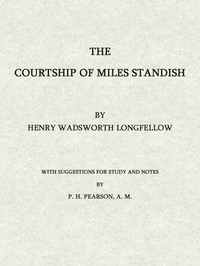
The Courtship of Miles Standish: by Henry Wadsworth Longfellow
If you think you know the Pilgrims as just solemn figures in buckled hats, Longfellow's poem is here to surprise you. Written in 1858, it takes a kernel of family legend (Longfellow was a descendant of John Alden) and spins it into a timeless story about the messy business of love.
The Story
The plot is simple but brilliant. Miles Standish, the brave but blunt captain of the Plymouth militia, is in love with Priscilla Mullins. Problem is, he's all soldier and no smooth talker. He's convinced he'll bungle a marriage proposal, so he asks his younger, more eloquent friend, John Alden, to go and propose to Priscilla on his behalf. John, who is secretly also in love with Priscilla, is horrified but bound by duty and friendship to obey.
When John stumbles through the proposal for his friend, Priscilla delivers one of the most famous lines in American poetry: "Why don't you speak for yourself, John?" The resulting confusion—a mix of hurt feelings, loyalties tested, and a sudden Native American conflict that calls Standish away—forces all three characters to confront what they truly want.
Why You Should Read It
This isn't just a dusty history lesson. Longfellow makes these figures feel real. Standish isn't a villain; he's a proud man trapped by his own insecurities. John is the good friend torn apart by honor. And Priscilla is fantastic—clear-eyed, direct, and unwilling to be a prize passed between men. The poem's real magic is how it explores the gap between public bravery and private fear. A man can face an enemy army but be terrified of a gentle "no." It's about the different kinds of courage we need in life.
Final Verdict
Perfect for anyone who enjoys a good, classic story with heart and humor. If you like historical fiction but find some of it too heavy, this is a delightful entry point. It's also great for poetry-curious readers, as Longfellow's style is clear and storytelling-focused, not abstract. You'll finish it with a smile, a new appreciation for a famous American legend, and maybe the urge to nudge a shy friend and say, "Just speak for yourself!"
This text is dedicated to the public domain. Enjoy reading and sharing without restrictions.
Robert Anderson
9 months agoInitially, I was looking for a specific answer, but the quality of the diagrams and illustrations (if applicable) is top-notch. It’s hard to find this much value in a single source these days.
Ethan Smith
2 years agoSimply put, it provides a comprehensive overview perfect for everyone. Thanks for sharing this review.
Matthew Garcia
7 months agoSolid story.
Mark White
10 months agoAfter hearing about this author multiple times, the arguments are well-supported by credible references. One of the best books I've read this year.





Matthew Jones
6 months agoIt took me a while to process the complex ideas here, but the inclusion of diverse viewpoints strengthens the overall narrative. I feel much more confident in my knowledge after finishing this.